
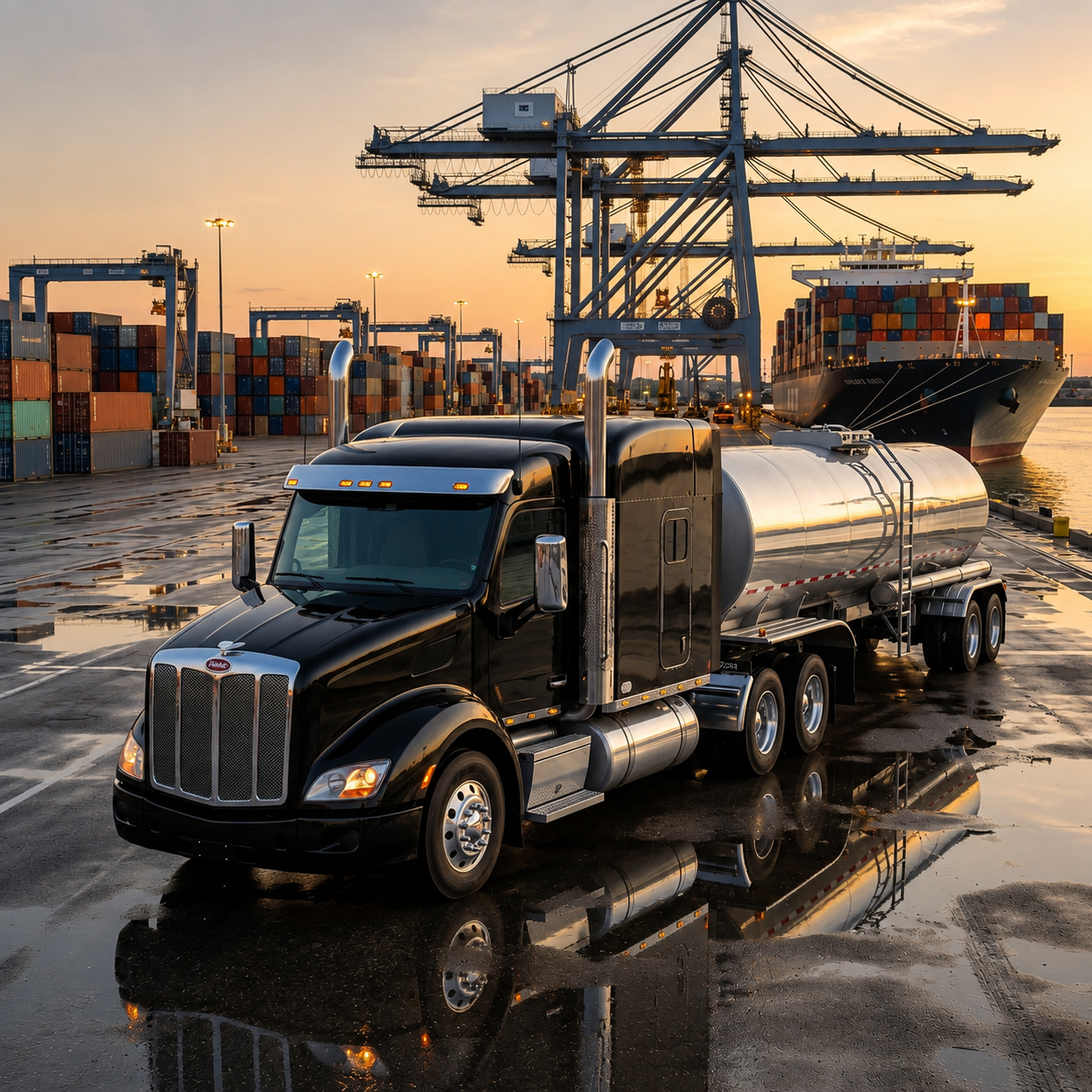
For businesses in and around Daytona Beach that rely on non-hazardous bulk liquid transport, every gallon of fuel saved goes straight to the bottom line. This guide explores practical, proven ways to improve fuel efficiency in tanker trucks, from smarter driving habits to disciplined vehicle maintenance—while highlighting how American Tank Lines supports local fleet operations across Central Florida.
Why Fuel Efficiency Matters So Much for Tanker Trucks in Daytona Beach
Non-hazardous bulk liquid tanker trucking may not carry dangerous materials, but it still carries significant operating costs. Tanker trucks are heavy, often running long regional routes between ports, plants, and distribution centers around Daytona Beach, Orlando, Jacksonville, and the broader Central Florida region. Fuel is one of the largest controllable expenses in any tanker fleet operations strategy, typically ranking just behind labor in total cost per mile.
Even small improvements in miles per gallon (MPG) can translate into thousands of dollars saved annually for a single vehicle. Multiply that across a fleet of tanker trucks, and the impact becomes substantial. For local manufacturers, food processors, beverage companies, and chemical distributors in the Daytona Beach area, partnering with a carrier that prioritizes fuel efficiency—such as American Tank Lines—can help stabilize transportation costs and support sustainability goals at the same time.
Best Practices for Fuel-Efficient Non-Hazardous Bulk Liquid Tanker Trucking
Fuel efficiency is not the result of one single tactic; it is the outcome of dozens of small, consistent decisions made by drivers, dispatchers, and maintenance teams. Below are best practices tailored to non-hazardous bulk liquid tanker trucking in and around Daytona Beach, where heat, humidity, and traffic patterns all play a role in fuel consumption.
1. Route Planning That Matches Real Daytona Beach Conditions
Tanker trucks burn the most fuel when stuck in congestion, idling at long lights, or navigating frequent stop-and-go traffic. In a coastal city like Daytona Beach, traffic can spike during special events, race weeks, bike weeks, and tourist seasons. Fuel-efficient fleet operations take these realities into account with dynamic route planning that:
- Avoids known bottlenecks and construction zones whenever possible
- Schedules pickups and deliveries to sidestep peak traffic hours on I-95, I-4, and major local corridors
- Uses real-time traffic data to reroute tanker trucks away from delays that waste fuel
American Tank Lines leverages regional expertise across Central Florida to design routes that balance efficiency with on-time performance. For local businesses, this means fewer delays, more predictable delivery windows, and reduced fuel-related surcharges over time.
2. Load Management for Non-Hazardous Bulk Liquids
Bulk liquid loads behave differently than dry freight. The movement of liquid inside a tank—known as “surge”—can influence how much power a truck needs to accelerate and brake smoothly. Fuel-efficient tanker trucking takes into account:
- Fill Levels: Running at optimal fill levels reduces excessive surge, which can otherwise force drivers to accelerate and brake more aggressively, using more fuel.
- Product Density: Non-hazardous liquids like juices, syrups, detergents, or water-based chemicals all weigh differently. Proper planning ensures vehicles operate within efficient weight ranges while staying compliant with Florida axle limits.
- Smart Backhauls: Coordinating return loads minimizes empty miles, which improves overall fleet fuel efficiency for both carriers and shippers.
By optimizing how each tanker is loaded and routed, American Tank Lines helps Daytona Beach businesses move more product with less fuel, without compromising safety or product integrity.
3. Speed Management: The Simplest Fuel-Saving Lever
Aerodynamic drag increases sharply at higher speeds, and heavy tanker trucks feel this effect even more. Driving at 70 mph instead of 60 mph may shave a few minutes off a run, but it can significantly increase fuel consumption. Fuel-efficient fleets set reasonable speed policies and coach drivers to:
- Maintain steady highway speeds within an optimal fuel economy range rather than constantly speeding up and slowing down
- Use cruise control where conditions allow, especially on longer stretches between Daytona Beach and other Central Florida hubs
- Respect fleet speed limiters that are calibrated to balance fuel savings with realistic delivery schedules
Consistent speed management is one of the easiest ways to reduce fuel burn in tanker trucks without new equipment or technology—just disciplined driving and thoughtful fleet policies.
Optimized Driving Habits That Directly Cut Fuel Consumption
The person behind the wheel has enormous influence over fuel economy. Two identical tanker trucks on the same route can yield very different MPG results depending on driving style. That is why American Tank Lines emphasizes driver training and performance monitoring across its fleet operations in Central Florida. Key fuel-saving driving habits include:
1. Smooth Acceleration and Braking
Hard acceleration and sudden braking waste fuel and create unnecessary wear on vehicle components. For non-hazardous bulk liquid loads, they also increase liquid surge inside the tank. Fuel-efficient drivers:
- Accelerate gradually, allowing the engine to work in its most efficient RPM range
- Anticipate traffic lights and slowdowns, easing off the throttle early instead of braking late
- Maintain longer following distances, giving themselves time to coast instead of stopping abruptly
This driving style not only saves fuel but also contributes to safer operations on busy Daytona Beach roads and highways.
2. Minimizing Idling Time in Hot Florida Weather
Idling is a silent fuel thief. On a hot Daytona Beach afternoon, it is tempting to keep engines running to power air conditioning while parked at a plant or waiting at a customer facility. However, extended idling can burn up to a gallon of fuel per hour without moving the truck an inch. Efficient fleet operations establish clear idling policies and provide drivers with tools and strategies such as:
- Shutting down the engine during longer waits, when safe and practical
- Using auxiliary power units (APUs) or other idle-reduction technologies where available
- Coordinating with shippers and receivers to reduce wait times at loading and unloading points
American Tank Lines monitors idling trends across its tanker trucks and works with drivers to identify opportunities to cut unnecessary idle time—saving fuel while still respecting comfort and safety in Florida’s heat.
3. Smart Use of Gears and Engine Braking
Whether the fleet uses manual, automated manual, or fully automatic transmissions, fuel-efficient driving means keeping the engine in its optimal torque band. Drivers trained by professional carriers learn to:
- Avoid “revving” too high before shifting, which burns extra fuel without adding useful power
- Use engine braking effectively on declines, reducing wear on service brakes and maintaining smoother, more efficient speed control
- Trust transmission programming designed for fuel economy, rather than overriding it unnecessarily
These habits, reinforced through coaching and performance data, help tanker trucks achieve better MPG on both short local hauls and longer regional runs.
How Proactive Vehicle Maintenance Boosts Fuel Efficiency
Optimized driving habits are only half of the equation. The mechanical health of each tanker truck is just as critical. A well-maintained fleet simply uses less fuel. For Daytona Beach businesses relying on dependable deliveries, the maintenance discipline of a carrier like American Tank Lines can make a measurable difference in cost and reliability.
1. Tire Pressure and Rolling Resistance
Underinflated tires increase rolling resistance, forcing engines to work harder and burn more fuel. In Florida’s heat, tire pressure can fluctuate quickly. Effective fleet operations implement:
- Regular tire inspections and pressure checks, including both tractor and tanker trailer tires
- Use of tire pressure monitoring systems (TPMS) where appropriate to alert drivers to issues on the road
- Selection of low-rolling-resistance tires that are designed to improve MPG without sacrificing safety
Keeping tires properly inflated is a simple, high-impact maintenance practice that American Tank Lines incorporates into its daily and scheduled inspections across its tanker trucks.
2. Engine Health, Lubricants, and Filters
A clean, well-lubricated engine runs more efficiently. Skipping or stretching service intervals may seem like a cost-saving measure, but it often leads to higher fuel consumption and unexpected downtime. Fuel-efficient fleet operations follow manufacturer-recommended schedules for:
- Engine oil changes using the correct grade and high-quality lubricants designed for heavy-duty diesel engines
- Replacement of fuel filters and air filters to ensure optimal combustion and airflow
- Monitoring of engine diagnostics to catch issues early, before they degrade fuel economy
For local shippers, working with a carrier that invests in this level of preventive maintenance means more reliable delivery schedules and fewer fuel-related surcharges due to inefficient equipment.
3. Aerodynamics and Equipment Specifications
While tanker trailers are already more aerodynamic than many box trailers, there are still opportunities to reduce drag. Fuel-conscious fleets consider:
- Aerodynamic fairings and side skirts on tractors to smooth airflow around the vehicle
- Properly fitted hose tubes, ladders, and accessories to minimize unnecessary protrusions that catch air
- Spec’ing engines and transmissions with fuel-efficient gearing suited to the relatively flat terrain of Central Florida
American Tank Lines continuously evaluates its tanker truck specifications to balance payload capacity, safety, and fuel efficiency—helping Daytona Beach businesses benefit from modern, well-equipped vehicles on every load.
Why Daytona Beach Businesses Choose American Tank Lines
For local companies that depend on non-hazardous bulk liquid transportation—whether you move food-grade ingredients, water-based chemicals, industrial cleaners, or other liquid products—selecting the right carrier is crucial. Fuel-efficient fleet operations are not just about saving the carrier money; they directly influence your delivered cost per gallon or per pound of product.
Based in Central Florida, American Tank Lines specializes in non-hazardous bulk liquid tanker trucking with a strong presence in the Daytona Beach market. The company’s focus on fuel efficiency benefits local shippers in several ways:
- Competitive, Stable Pricing: By running fuel-efficient tanker trucks, American Tank Lines can better manage its operating costs, which helps keep transportation rates stable and competitive for Daytona Beach businesses.
- Reliability and On-Time Performance: Well-maintained equipment and optimized routes translate into fewer breakdowns and delays, ensuring your production schedules and customer commitments stay on track.
- Sustainability Support: Many local companies are working toward environmental and ESG goals. Partnering with a carrier that prioritizes fuel efficiency can reduce your transportation-related emissions footprint.
Partnering with a Fuel-Efficient Tanker Fleet
If you are evaluating tanker trucking providers in the Daytona Beach area, it pays to ask specific questions about how they manage fuel efficiency across their fleet operations. Consider discussing:
- How they train and coach drivers on fuel-efficient driving techniques for tanker trucks
- What preventive maintenance schedules they follow for engines, tires, and trailers
- Whether they use telematics or onboard technology to monitor fuel consumption and idling
- How they design routes and schedules to avoid unnecessary miles and congestion around Daytona Beach
American Tank Lines welcomes these conversations and is transparent about the steps it takes to keep its tanker trucks running efficiently. For local shippers, that transparency builds confidence that your freight is moving with both cost control and operational excellence in mind.
Fuel Efficiency as a Competitive Advantage in Daytona Beach
Fuel efficiency in tanker trucks is not just a technical topic for mechanics and fleet managers. It is a strategic advantage for every business that depends on bulk liquid transportation. In a competitive market like Daytona Beach—where manufacturers, food and beverage producers, and industrial suppliers all vie for customers—controlling logistics costs can be the difference between winning and losing key accounts.
By combining optimized driving habits, disciplined vehicle maintenance, and smart route planning, tanker fleets can significantly reduce fuel consumption. When you choose a partner like American Tank Lines in Central Florida, you gain access to a team that treats fuel efficiency as part of everyday fleet operations—not an afterthought. The result is safer, cleaner, and more cost-effective non-hazardous bulk liquid tanker trucking for your business.
Ready to Improve Your Bulk Liquid Logistics in Daytona Beach?
If your company moves non-hazardous bulk liquids into, out of, or within the Daytona Beach area, now is the time to evaluate whether your current tanker trucking solution is as fuel-efficient—and cost-effective—as it could be. Whether you are shipping a steady stream of product every day or managing seasonal surges, partnering with a carrier that runs modern, efficient tanker trucks can help you:
- Lower your overall transportation spend through better MPG and reduced empty miles
- Improve service reliability with well-maintained equipment and experienced drivers
- Demonstrate environmental responsibility by reducing fuel consumption and emissions
American Tank Lines is proud to serve Central Florida businesses with a focus on safety, service, and fuel-efficient fleet operations. If you are ready to explore how a more efficient tanker fleet can support your growth in Daytona Beach and beyond, contact our operations team to discuss your specific bulk liquid transportation needs.